
Plastic packaging is so familiar that most of us stop noticing it. It wraps our food, holds our toiletries, protects deliveries, seals medicines and lines supermarket shelves. It’s everywhere in UK homes — not because we’re careless, but because modern systems are built around it.
Understanding what plastic packaging actually is — and why it’s used so widely — is the first step to making sense of the recycling conversation.
What counts as plastic packaging?
Plastic packaging refers to any plastic material used to contain, protect, transport or present products. In UK households, this includes items like:
- drinks bottles and milk bottles
- food trays, punnets and yoghurt pots
- ready-meal containers
- shampoo, cleaning and beauty product bottles
- carrier bags and produce bags
- plastic film around multipacks or online deliveries
Not all plastic packaging is the same. The most common types used in packaging include:
- PET – typically used for drinks bottles
- HDPE – used for milk bottles and cleaning containers
- PP – tubs, lids and caps
- LDPE – bags and flexible films
- Polystyrene – foam trays and protective packaging
Each of these plastics behaves differently in the recycling system. Some are relatively easy to recycle mechanically. Others are difficult, costly, or not currently collected through household recycling at all.
This variety is one of the reasons plastic recycling feels confusing — the label “plastic” hides a lot of complexity.
Why do brands rely so heavily on plastic?
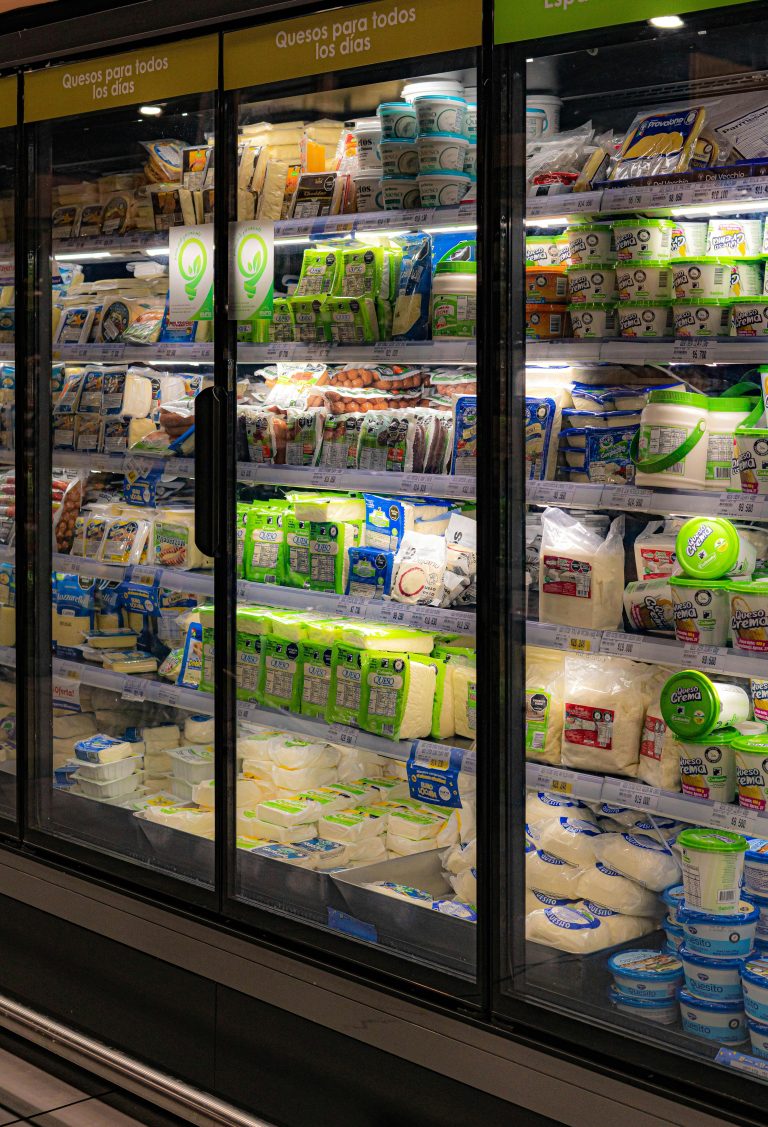
Plastic is used so widely because it solves multiple problems at once. It is lightweight, strong, flexible and excellent at keeping air and moisture out. That makes it particularly useful for food packaging, where it can significantly reduce spoilage and waste.
From a systems perspective, plastic has been an efficient solution: it protects products, reduces transport emissions due to low weight, and keeps costs down.
The trade-off is what happens after use. Plastic packaging is often used for minutes or days, but it can persist in the environment for decades or longer. The same properties that make it useful also make it difficult to deal with once it becomes waste.
Single-use versus long-lived plastic
A large proportion of plastic packaging is designed for single use — wrappers, films, sachets and lids that are discarded almost immediately. These items are often small, lightweight and made from mixed materials, which makes them hard to collect and recycle.
Other plastic packaging, such as bottles and tubs, is more durable and easier to capture in recycling systems. This uneven design landscape means some plastics are far more likely to be recycled than others — even when households do everything “right”.
Why this matters for Planet Earth Tribe households
Plastic packaging isn’t everywhere because individuals have failed. It’s everywhere because systems have been optimised for convenience, speed and cost.
Planet Earth Tribe is about understanding those systems — not blaming ourselves for them. When we understand why plastic exists, we’re better equipped to reduce what we can, recycle what works, and support change where it’s needed most.
Key takeaway:
Plastic packaging is not one thing. When you buy plastic, consider whether you know how to recycle it and if not, whether there is another option. Understanding our waste disposal system helps us engage with recycling realistically — without guilt or overwhelm.
Kate Howard is the Founder of Planet Earth Tribe, a collaborative co-ordinator and coach with over 20 years’ experience in education and digital innovation. She specialises in ethical marketing, sustainable lifestyle education and helping people build environmentally responsible habits with confidence.
Leave a Reply