
Hacked By Chinafans
https://t.me/Hack_0xTeam
https://t.me/Hello_root
How can I recycle most effectively in the UK?
Recycling effectively in the UK means putting the right things in the right place, in a way that keeps materials clean enough to be turned into new products, without contaminating whole loads. It can feel confusing because household recycling is still a postcode lottery in practice, even though England is moving towards more consistent collections, and because labels often say “recyclable” when the item is only recyclable somewhere, not necessarily in your local system. Good recycling is less like tossing things into a magic bin, and more like doing careful sorting for a library, where one muddy book can spoil the whole shelf.
What is the simplest rule that makes the biggest difference?
If you only adopt one rule, make it this: empty, quick rinse if needed, and keep it dry. Food and liquid residue are a main driver of contamination, and contamination can cause whole bales to be rejected and diverted away from recycling. You do not need to make items sparkling clean, a “swish and drain” is often enough, and you can use leftover washing up water to avoid wasting fresh hot water. Think of it like returning a rented kayak, you do not have to polish it, but you do need to return it without half the river still inside it.
How do I find out what my council actually accepts?
Use your council’s website and the Recycle Now Recycling Locator (postcode based). Councils can differ on things like plastic pots, tubs and trays, cartons, and whether to keep caps on or off. “Wish cycling”, putting uncertain items in “just in case”, usually backfires by increasing sorting costs and contamination. Your goal is confidence, not optimism.
What changes are coming that might affect how I set up my home recycling?
England’s Simpler Recycling reforms set deadlines for councils to collect core recyclable streams from households, with timelines including weekly food waste collections for most homes and later inclusion of plastic film collections. This matters because your “best practice” at home is easier to sustain when collections are consistent, and because some items that currently need store drop off (like plastic films) are intended to become kerbside in future. If you like systems, treat this as your chance to design a simple, long term “home sorting station” that can adapt as rules tighten.
What is the “effective recycling hierarchy” for UK households?
A practical hierarchy is, reduce, reuse, recycle properly, then dispose safely. Recycling is valuable, but it is not a licence to over consume, especially for plastics where markets and infrastructure vary. For your household, the most effective move is often choosing products that generate less waste or come in formats your council reliably recycles. Recycling is the safety net, not the trapeze.
Which plastics are easiest to recycle in the UK, and why?
In UK household systems, plastic bottles are consistently collected, and the highest value. Most commonly recycled polymers tend to include clear drinks bottles and milk and cleaning bottles. Pots, tubs and trays are increasingly being recycled. These plastics have more established sorting and reprocessing pathways, so your effort is more likely to become genuine material recovery rather than downcycling or disposal.
Which plastics are difficult to recycle, and what should I do?
Plastics that are often difficult in standard UK systems include PVC (stretchy cling-film like plastic), polystyrene and mixed plastics plus composite or multi-layer packaging. Black plastic has historically been problematic because optical sorting may not “see” it reliably. Black plastic has been removed from many retail food halls to improve circularity.
The effective move is to follow your local guidance, avoid “wish cycling”, and prioritise buying choices that avoid hard to recycle formats in the first place.
Should I leave caps and lids on plastic bottles?
Often, yes, but check your local instructions. Many UK local authorities advise residents to keep lids on, and modern facilities can sort by polymer using optical sorting, while loose caps can be lost during collection and sorting. The practical compromise is, empty, squash if your council recommends, then re attach the cap.
How should I prepare hard plastics like bottles, pots, tubs and trays?
For hard plastics, focus on packaging items your council accepts, typically bottles and often pots, tubs and trays. Preparation is straightforward, empty, quick rinse if needed, drain, keep dry. If your council allows, squashing saves space, but do not overthink it, the biggest win is contamination control. Labels usually do not need removing because facilities can handle them.
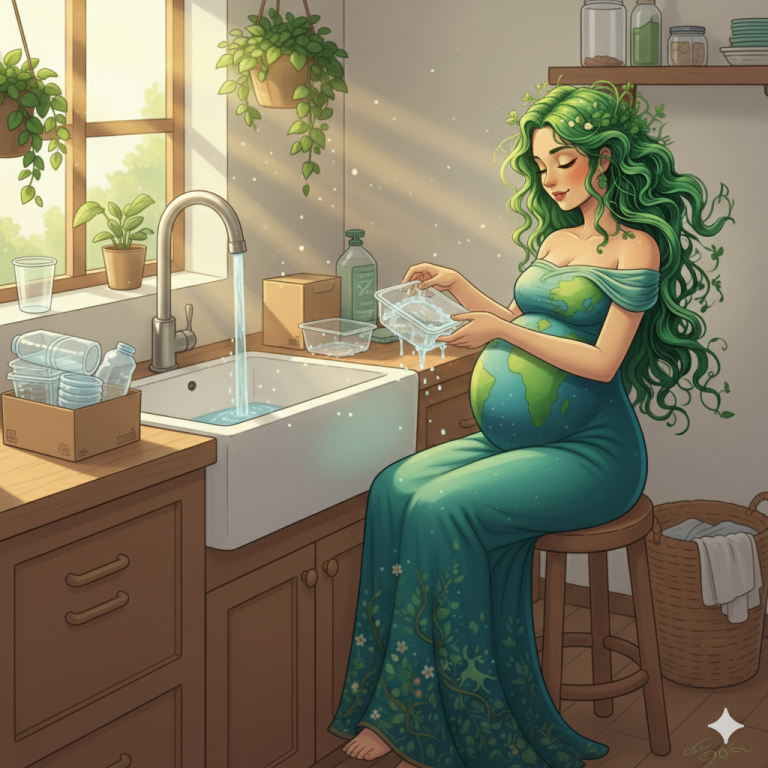
Checklist: How to Recycle Hard Plastics
Hard plastics generally consist of rigid containers like bottles, pots, tubs, and trays.
- Preparation: You should empty and rinse all containers before recycling. Residual food or liquid can contaminate an entire bale of material, leading to the load being rejected and sent to landfill or incineration.
- Transparent Plastics: Transparent PET (Type 1), used for water and soft drink bottles, is highly easy to recycle and can be turned into new bottles, furniture, or carpets. You do not need to remove the labels, as recycling plant machinery handles this.
- Coloured Plastics: Coloured HDPE (Type 2), found in milk, juice, and bleach bottles, is versatile and easily recycled into items like laundry detergent bottles, pens, and fencing.
- Caps and Lids: While advice can vary by council, modern sorting facilities use Near-Infrared (NIR) optical sorters to identify polymer types; leaving caps on plastic bottles often helps ensure they are captured by the system rather than being lost during sorting.
What are soft plastics, and do they go in my kerbside recycling bin?
Soft plastics include bags, wraps, films, pouches and many flexible wrappers. Most councils have historically not accepted them kerbside because they can tangle in machinery and complicate sorting, causing downtime and contamination. Putting soft plastic into kerbside recycling “just in case” can therefore make the whole system less effective. Until your council explicitly accepts films, treat soft plastics as a separate stream.
How do I recycle soft plastics in the UK right now?
Use supermarket take back points for plastic bags and wrapping, where available. Recycle Now’s “Repeat the Cycle” and postcode tools can help you find local drop offs and what they accept. The key is to bring clean and dry soft plastics, and follow the store’s instructions, because these schemes depend on preventing contamination.
Is soft plastic “recycling” always recycled?
Not always. Investigations and tracking exercises have raised concerns that some soft plastics collected at stores can end up being incinerated, depending on contamination, damage, sorting, and end market capacity. This does not mean “do not bother”, it means reduce soft plastic first, then use take back as a better option than general waste while UK kerbside film collections expand. Your choice here is about realism, using the best available pathway while pushing demand for better systems.
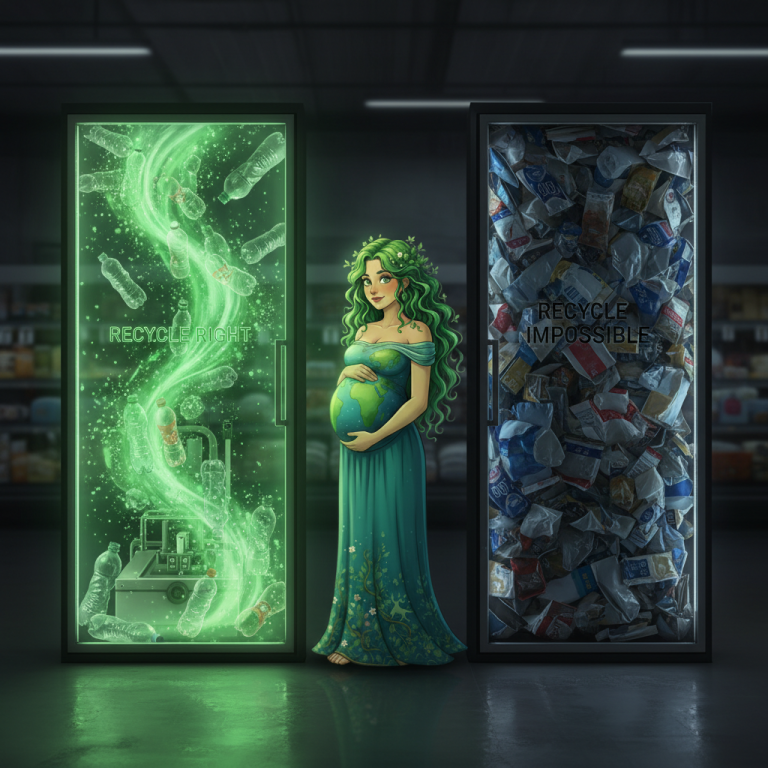
Checklist: How to Recycle Soft Plastics
Soft plastics include flimsy items such as plastic bags, bread bags, frozen food bags, films, pouches, and wraps.
- Avoid Kerbside Bins: Most UK local authorities currently do not collect soft plastics from home. Placing them in your home recycling bin can clog machinery at Material Recovery Facilities (MRFs).
- Use Store Take-Back Schemes: The most effective way to recycle soft plastics is to use supermarket plastic bag recycling points or dedicated store take-back facilities. Major retailers have rolled out schemes to more than 500 stores specifically to handle hard-to-recycle items like crisp packets, yoghurt lids, and sweet wrappers.
- Check the Label: Be aware that the universal recycling symbol (triangle codes) only indicates a material is technically recyclable; it does not guarantee your local council accepts it.
What’s the most effective way to recycle paper and card?
Paper and card are high value when clean and dry. Keep them away from food residue, grease, and bathroom waste. Flatten boxes to save space, and remove obvious non paper components if your council requests it. A useful mental image is that paper recycling is like making a cup of tea, one spoon of mud ruins the pot.
Can I recycle pizza boxes, takeaway packaging, and “stained” card?
Usually, clean card is yes, greasy is no, but it varies. Many councils advise that heavily greasy card should go in general waste or food waste where appropriate, because grease can contaminate paper fibres. If only part is greasy, you can often tear off the clean portion and recycle that. The effective habit is to treat grease like paint, if it will smear, it does not belong with paper.
What about glass, should I rinse, and do I recycle lids?
Glass bottles and jars are widely recycled. Empty them, a quick rinse helps reduce smells and contamination, and recycle metal lids if your council accepts them, many do as part of metals. Do not include ceramics, Pyrex, mirrors, or window glass unless your local facility specifically accepts them, they melt at different temperatures and can cause problems in reprocessing.
How do I recycle metals, including aerosols and foil?
Metal packaging like tins and cans is commonly accepted. Aerosols are often recyclable only when empty, and some councils ask you to remove plastic caps. For foil and aluminium trays, keep them clean and do the scrunch test, if it stays scrunched it is likely foil and can often be recycled, if it springs back it may be film. Scrunching foil into a larger ball can also help sorting.
Are cartons, like Tetra Pak, recyclable everywhere?
Not everywhere. Many councils now collect food and drink cartons, but some still do not, so you need to check locally. If accepted, empty, quick rinse, and flatten if advised. The practical point is that cartons are a great example of why postcode checking matters, the packaging is similar, the rules are not.
Where should food waste go, and why is it central to recycling effectiveness?
Food waste collections, where available, are one of the highest impact household waste actions because food in dry recycling causes contamination, and food in general waste contributes to disposal impacts. If your area has a food waste caddy, use it consistently, scrape plates, and line caddies only as your council allows. In England, reforms aim to expand weekly food waste collections for most homes, which should make effective sorting easier.
Can I recycle batteries to dispose of them?
Do not put household batteries in your kerbside recycling or general waste. Batteries can cause fires if crushed in bin lorries or facilities, especially lithium batteries in small electronics like vapes and toys. Take household batteries to collection points at supermarkets or large shops that sell significant volumes of batteries, and use dedicated WEEE and battery drop offs for battery containing items.
How do I recycle electricals (WEEE) properly, and what are my rights?
Electricals should go to household recycling centres, local WEEE collections where offered, or retailer take back schemes. Retailers have responsibilities for taking back very small WEEE in certain circumstances, and take back can be free, depending on the scheme. Using official take back routes prevents illegal dumping and ensures hazardous components are handled correctly.
What should I do with textiles and “reusable” household items?
Treat textiles and usable items as part of effective resource recovery, even if they are not in your kerbside bin. Use charity shops, textile banks, and council recycling points where available. This is where community infrastructure often does more than recycling does, reuse keeps value high. Your choice can turn “waste” into a second life, like passing on a well-read book instead of pulping it.
What are the biggest “don’ts” that quietly wreck recycling quality?
Avoid these high impact mistakes, putting soft plastics in kerbside bins (unless accepted locally), including compostable plastics with conventional plastics, adding hazardous chemical containers, and wish cycling. Also avoid putting items in the recycling bin inside black bags unless your council explicitly allows it, bags can disrupt sorting. Effective recycling is mostly about removing doubt, if you are unsure, check, do not gamble.
How can I set up my home to make effective recycling easy?
Create a simple “three zone” system, dry recycling, food waste, and general waste, then add a small box for “special drop offs” (batteries, small electricals, soft plastics). Put the system where decisions happen, near the kitchen bin, not in a distant garage. Add one printed note listing your local accepted items, and use the Recycle Now postcode tool as your reference. Habits stick when the easiest option is also the correct option.
What does “effective recycling” look like for plastics?
Following your guidance document’s logic, focus on easy plastics (PET, HDPE, increasingly PP), prep them well, and keep soft plastics out of kerbside bins unless your council says yes. For hard plastics, empty and rinse, for soft plastics, use store take back where available. Above all, avoid contamination and wish cycling, because one household’s uncertainty can become a whole lorry’s problem.
Key Warnings for Effective Recycling
- Non-Recyclables: Do not put compostable or biodegradable plastics (including coffee pods) in your plastic recycling stream, as they are not designed for the same reprocessing.
- Hazardous Materials: Plastic bottles that have contained white spirits, paints, engine oils, or antifreeze should not be recycled through standard household collections.
- Aspirational Recycling: Avoid “wish-cycling”—tossing items you are unsure about into the bin—as this aspirational behavior often contaminates higher-quality materials.
For more information about your local recycling contact your council.
For further research explore Recycle Now website.
Kate Howard is the Founder of Planet Earth Tribe, a collaborative co-ordinator and coach with over 20 years’ experience in education and digital innovation. She specialises in ethical marketing, sustainable lifestyle education and helping people build environmentally responsible habits with confidence.
How Much Plastic Packaging Do UK Households Really Throw Away?
Many people who recycle carefully still feel uneasy about plastic waste. Bins fill quickly. Wrappers seem endless. And despite best intentions, plastic doesn’t appear to be disappearing.
That instinct is right. UK households generate a significant amount of plastic packaging waste — and understanding the scale helps explain why individual effort can feel outpaced by the system.
How much plastic packaging waste does the UK produce?
The UK generates around 11–12 million tonnes of packaging waste each year. Of this, roughly 2–2.5 million tonnes is plastic packaging.
While plastic is lighter than materials like glass or cardboard, it makes up a large share of packaging by item count. Bottles, trays, films and wrappers move through homes in huge volumes, often for very short periods of use.
This is why plastic waste feels so visible — and so relentless.
How much of this comes from households?
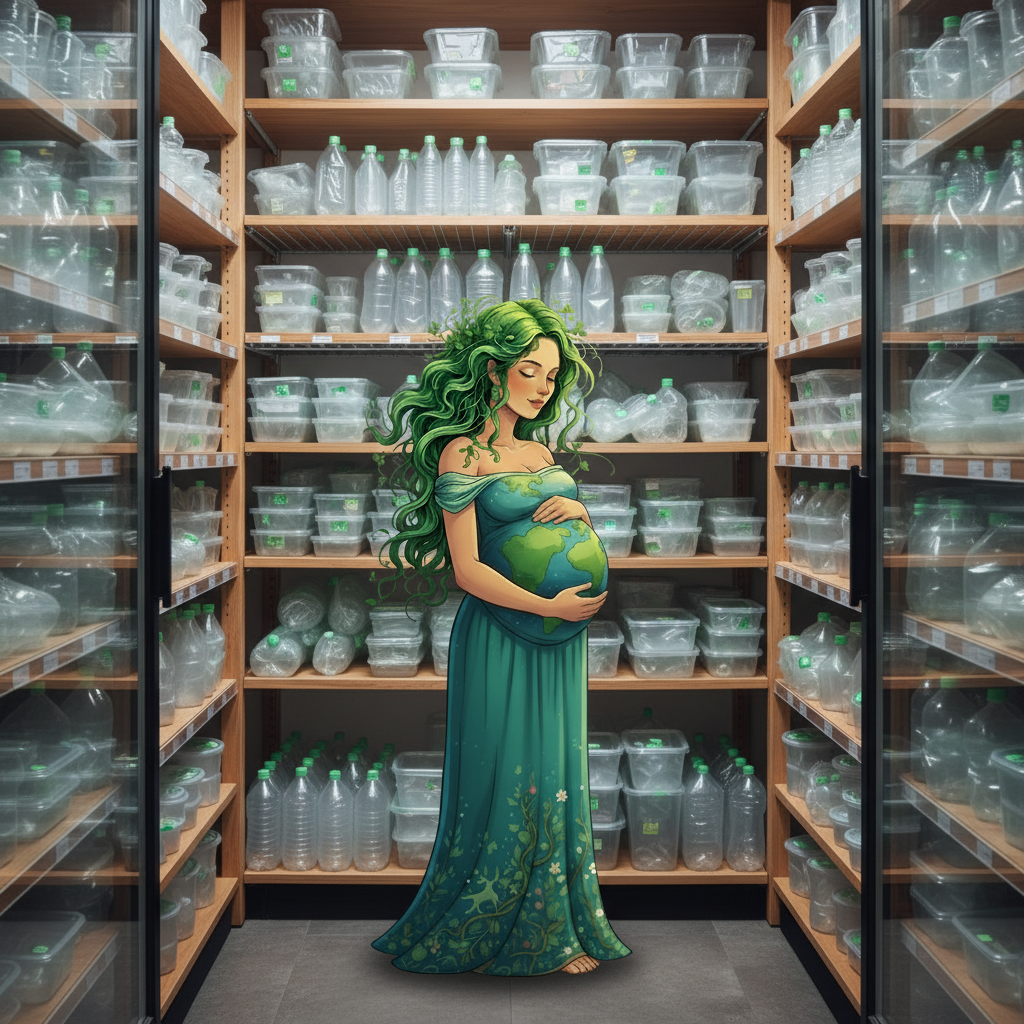
Households are a major source of plastic packaging waste. On average, UK households discard over 100 kg of packaging waste per year, much of it plastic from food, drink, toiletries and deliveries.
Plastic bottles alone are purchased in the billions annually in the UK. Add to that food trays, punnets, films, sachets and wraps, and it becomes clear why even diligent recyclers feel surrounded by plastic.
Over time, this adds up to tens of thousands of individual plastic packaging items passing through a single household.
Do all plastic items have the same recycling outcome?
No — and this is where frustration often sets in.
Different types of plastic packaging are captured at very different rates:
- Bottles are widely collected and relatively well recycled
- Pots, tubs and trays are collected less consistently
- Plastic films and flexible packaging are rarely captured through household collections
This means that two households recycling with equal care may see very different outcomes depending on the types of packaging they consume.
Recycling effort alone doesn’t determine impact. Design, material type and local infrastructure all play major roles.
Why this matters for conscious households
When people feel that “recycling doesn’t work”, it’s often because they are confronting a system designed to manage some plastics, not all of them.
Planet Earth Tribe thinking encourages honesty about scale. Plastic waste isn’t a personal failure problem — it’s a production and design problem that shows up in our kitchens.
Understanding the volume of plastic packaging helps explain why reduction and redesign matter just as much as recycling.
Key takeaway:
UK households generate a lot of plastic packaging waste, and not all of it can be recycled — even when we try hard. Knowing this allows us to focus energy where it has the greatest effect.
Kate Howard is the Founder of Planet Earth Tribe, a collaborative co-ordinator and coach with over 20 years’ experience in education and digital innovation. She specialises in ethical marketing, sustainable lifestyle education and helping people build environmentally responsible habits with confidence.
What Is Plastic Packaging — and Why Is It Everywhere in UK Homes?
Plastic packaging is so familiar that most of us stop noticing it. It wraps our food, holds our toiletries, protects deliveries, seals medicines and lines supermarket shelves. It’s everywhere in UK homes — not because we’re careless, but because modern systems are built around it.
Understanding what plastic packaging actually is — and why it’s used so widely — is the first step to making sense of the recycling conversation.
What counts as plastic packaging?
Plastic packaging refers to any plastic material used to contain, protect, transport or present products. In UK households, this includes items like:
- drinks bottles and milk bottles
- food trays, punnets and yoghurt pots
- ready-meal containers
- shampoo, cleaning and beauty product bottles
- carrier bags and produce bags
- plastic film around multipacks or online deliveries
Not all plastic packaging is the same. The most common types used in packaging include:
- PET – typically used for drinks bottles
- HDPE – used for milk bottles and cleaning containers
- PP – tubs, lids and caps
- LDPE – bags and flexible films
- Polystyrene – foam trays and protective packaging
Each of these plastics behaves differently in the recycling system. Some are relatively easy to recycle mechanically. Others are difficult, costly, or not currently collected through household recycling at all.
This variety is one of the reasons plastic recycling feels confusing — the label “plastic” hides a lot of complexity.
Why do brands rely so heavily on plastic?
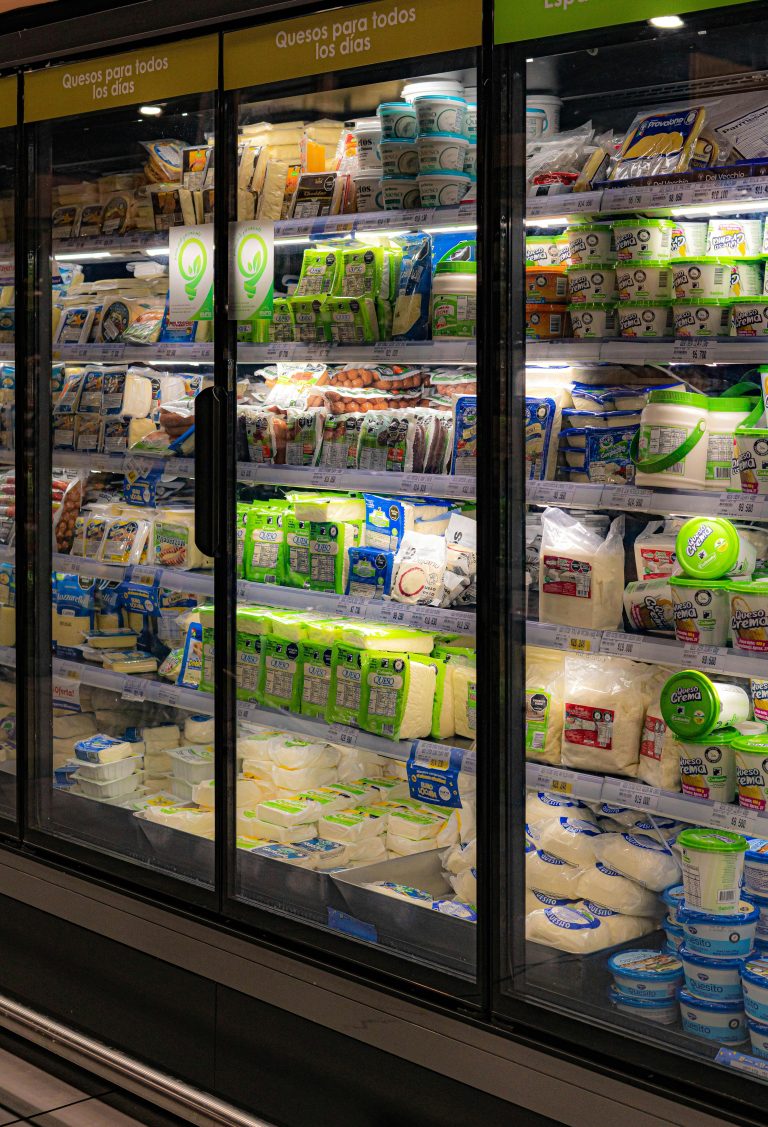
Plastic is used so widely because it solves multiple problems at once. It is lightweight, strong, flexible and excellent at keeping air and moisture out. That makes it particularly useful for food packaging, where it can significantly reduce spoilage and waste.
From a systems perspective, plastic has been an efficient solution: it protects products, reduces transport emissions due to low weight, and keeps costs down.
The trade-off is what happens after use. Plastic packaging is often used for minutes or days, but it can persist in the environment for decades or longer. The same properties that make it useful also make it difficult to deal with once it becomes waste.
Single-use versus long-lived plastic
A large proportion of plastic packaging is designed for single use — wrappers, films, sachets and lids that are discarded almost immediately. These items are often small, lightweight and made from mixed materials, which makes them hard to collect and recycle.
Other plastic packaging, such as bottles and tubs, is more durable and easier to capture in recycling systems. This uneven design landscape means some plastics are far more likely to be recycled than others — even when households do everything “right”.
Why this matters for Planet Earth Tribe households
Plastic packaging isn’t everywhere because individuals have failed. It’s everywhere because systems have been optimised for convenience, speed and cost.
Planet Earth Tribe is about understanding those systems — not blaming ourselves for them. When we understand why plastic exists, we’re better equipped to reduce what we can, recycle what works, and support change where it’s needed most.
Key takeaway:
Plastic packaging is not one thing. When you buy plastic, consider whether you know how to recycle it and if not, whether there is another option. Understanding our waste disposal system helps us engage with recycling realistically — without guilt or overwhelm.
Kate Howard is the Founder of Planet Earth Tribe, a collaborative co-ordinator and coach with over 20 years’ experience in education and digital innovation. She specialises in ethical marketing, sustainable lifestyle education and helping people build environmentally responsible habits with confidence.
PLASTIC PACKAGING IN THE UK
What It’s Made Of, What Happens to It, and Why Conscious Households Matter
This pillar article is part of Buy the Earth — a growing body of evidence-based guidance for people who want their everyday choices to support a healthier planet, without guilt or overwhelm.
What is plastic packaging — and why is it everywhere in UK homes?
Plastic packaging is woven into everyday life in the UK because it is light, durable, flexible, and good at protecting food and products. It appears in drinks bottles, food trays, yoghurt pots, ready-meal containers, shampoo bottles, cleaning products, carrier bags, and the plastic films wrapped around multipacks or online deliveries.
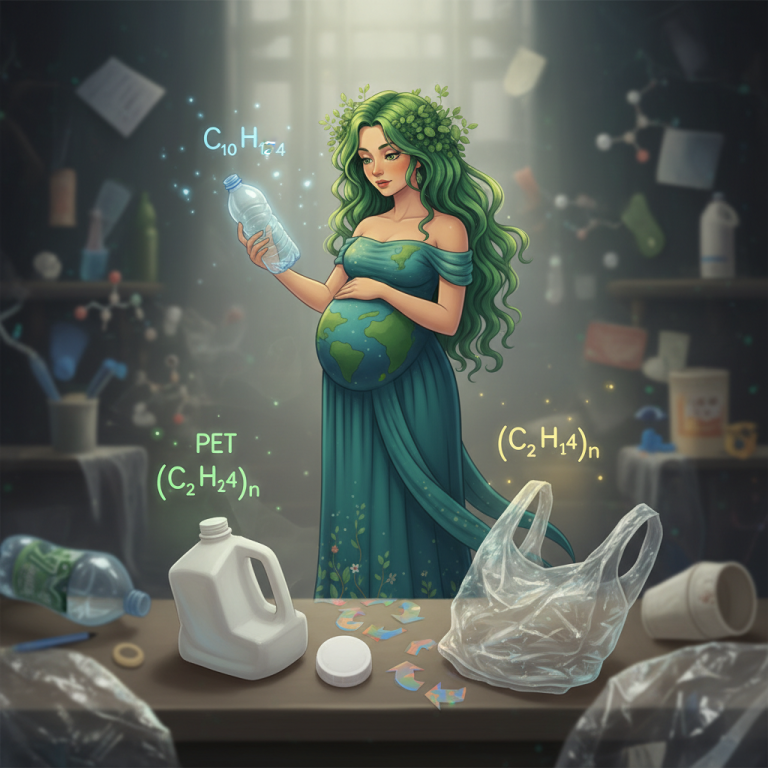
Not all plastic is the same. The packaging we encounter most often includes PET (commonly used for drinks bottles), HDPE (milk bottles and cleaning containers), PP (tubs and caps), LDPE (bags and films), and polystyrene (foam trays). Each has different properties — and crucially, different recycling outcomes. Some plastics are relatively easy to recycle mechanically; others are difficult, costly, or currently not accepted through household collections.
Plastic is widely used because it helps prevent food waste and damage in transit. But the trade-off is clear: protecting products in the short term creates long-lived waste that the recycling system struggles to manage.
Planet Earth Tribe perspective:
Plastic exists because our systems prioritise convenience and efficiency. Understanding that system is the first step to changing it.
Sources
London Recycles; WRAP; British Plastics Federation
How much plastic packaging waste do UK households generate?
Plastic packaging makes up a substantial share of the UK’s packaging waste. Overall, the UK produces around 11–12 million tonnes of packaging waste each year, of which roughly 2–2.5 million tonnes is plastic packaging.
Households are a major source. On average, UK households discard over 100 kg of packaging waste per year, much of it plastic from food, drink, toiletries, and deliveries. Plastic bottles alone are purchased in the billions annually, alongside countless trays, films, and wrappers that pass briefly through our homes before becoming waste.
Different plastic items have very different fates. Bottles are widely collected, while pots, tubs, trays and especially plastic films are captured at far lower rates. This uneven picture helps explain why many people recycle diligently and still feel that plastic waste keeps piling up.
Sources
UK Government waste statistics; House of Commons Library; WRAP
How does plastic recycling work in UK households?
In the UK, local authorities are responsible for household recycling collections. Almost all councils collect plastic bottles at the kerbside, and many also collect pots, tubs and trays. Collection systems vary slightly by area, but national reforms are moving towards greater consistency so people can recycle with more confidence wherever they live.
Despite this, confusion is widespread. Surveys show that only a small minority of people feel very confident about what can be recycled. This leads to “wish-cycling” — placing items in the recycling bin in the hope they are recyclable — which can contaminate loads and reduce the chance that any of the material is successfully recycled.
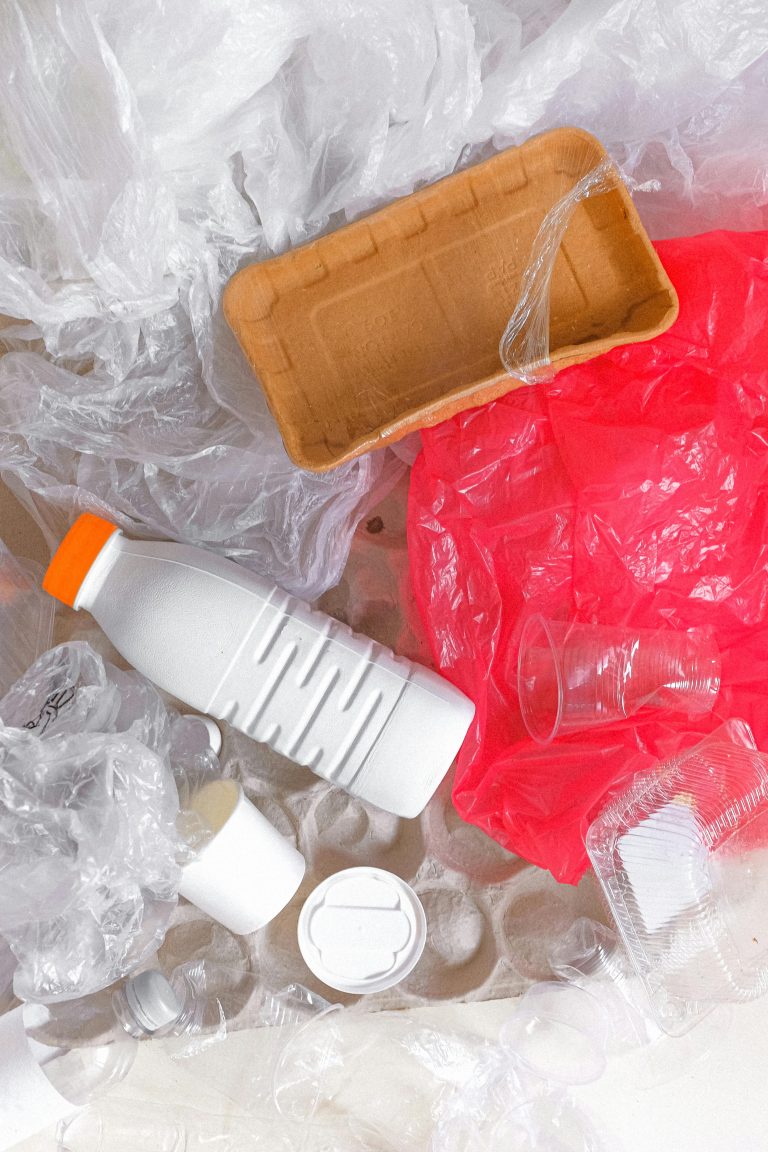
Soft plastics, films and composite packaging are the most common source of confusion. Many are not yet accepted in household collections and must either be taken to specialist drop-off points or placed in general waste.
Planet Earth Tribe perspective:
Recycling works best when it’s calm and precise, not hopeful and hurried. Separate soft plastics like film from hard plastics like bottles and trays. Leave plastic lined tins out of your recycling bin.
What happens to plastic after it leaves your home?
Putting plastic in the recycling bin does not mean it is instantly recycled. Instead, it enters a multi-stage industrial process.
First, mixed recyclables are taken to a Materials Recovery Facility (MRF), where they are sorted. Plastics are separated from paper, glass and metals, and optical scanners divide plastics by type. Non-recyclable or contaminated items are removed.
Sorted plastics are then baled and sent to reprocessing facilities, where they are washed, shredded and turned into flakes or pellets. These pellets are the raw material used to manufacture new plastic products. Some UK facilities can now produce food-grade recycled plastic, but this is still limited.
Not all plastic stays in the UK. Because domestic capacity cannot yet handle all types of plastic, a significant quantity has historically been exported for processing elsewhere, raising concerns about environmental standards and accountability.
Sources
Recycle Now; British Plastics Federation; Veolia; WRAP
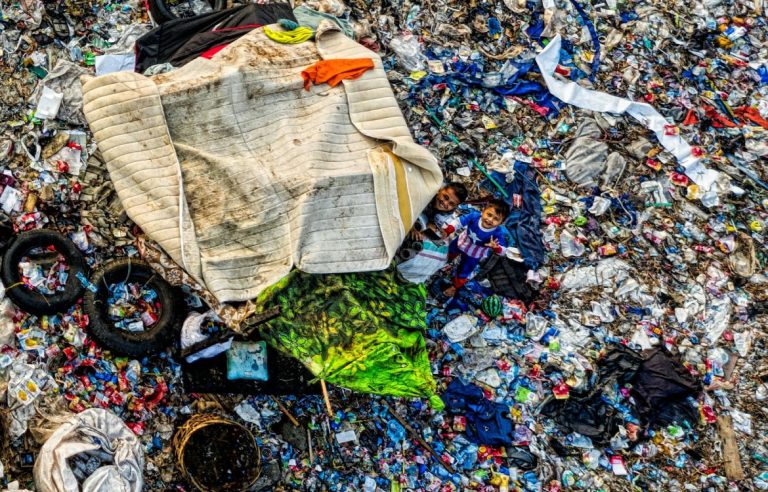
How much plastic packaging is actually recycled in the UK?
Plastic recycling rates are improving, but they remain lower than many people expect. Government data indicates that just over half of plastic packaging waste is recycled, with figures varying depending on how recycling is measured.
What matters more than the headline number is the pattern beneath it. Bottles perform relatively well. Films, flexible plastics and some rigid formats perform very poorly. Many plastics are recycled only once or twice before the material quality degrades, meaning recycling often delays disposal rather than preventing it.
This is why plastic continues to lag behind materials like paper, glass and metal, which have more established recycling loops.
Planet Earth Tribe perspective:
Recycling plastic helps — but it was never designed to carry the whole solution.
What happens to plastic that isn’t recycled?
Plastic that cannot be recycled is typically sent to landfill or incineration. Landfilled plastic persists for centuries. Incineration recovers some energy but releases greenhouse gases and other pollutants.
Plastic can also fall out of the system through contamination or mismanagement. When exported, poorly regulated processing can result in open burning or dumping, shifting environmental harm elsewhere rather than eliminating it.
These outcomes are not the result of individual failure, but of a system that produces more plastic than it can safely handle.
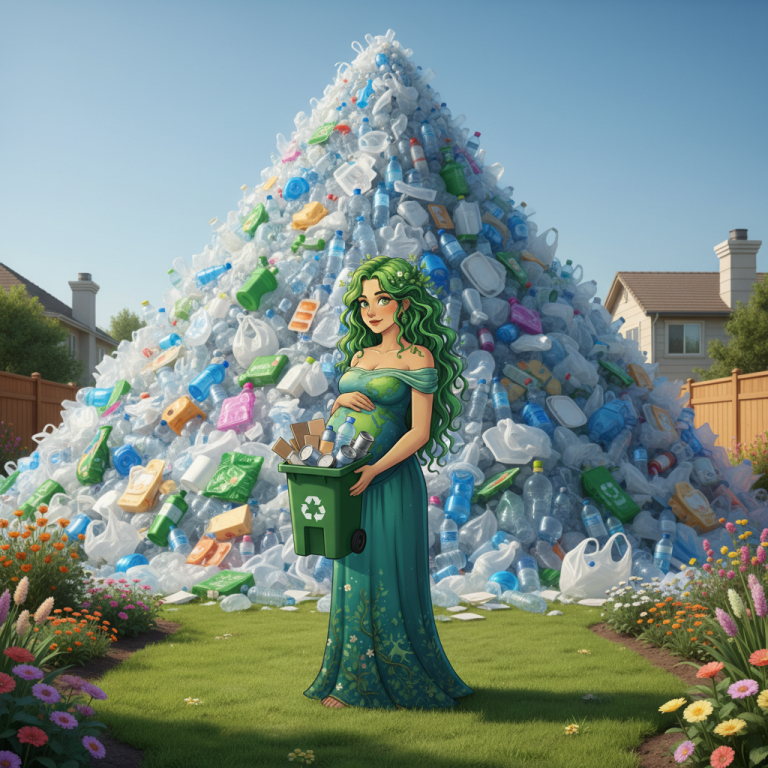
How are policies and industry initiatives changing the picture?
Several policy tools aim to improve plastic packaging outcomes. The Plastic Packaging Tax encourages manufacturers to include recycled content. The UK Plastics Pact brings businesses together to reduce problematic plastics and improve design. Extended Producer Responsibility will shift the cost of waste management from councils to producers.
These changes matter, but they take time. In the meantime, household behaviour still plays a meaningful role in shaping demand, quality, and political momentum.
What does this mean for Planet Earth Tribe households?
For households, the most powerful actions are grounded and realistic:
- Reduce unnecessary packaging where possible
- Recycle accepted plastics cleanly and confidently
- Support brands and systems that design for reuse and recyclability
You do not need to be perfect. You do not need to solve plastic alone. What matters is steady, informed participation — multiplied across millions of homes.
When enough people understand the system, the system has to change.
Kate Howard is the Founder of Planet Earth Tribe, a collaborative co-ordinator and coach with over 20 years’ experience in education and digital innovation. She specialises in ethical marketing, sustainable lifestyle education and helping people build environmentally responsible habits with confidence.