
What It’s Made Of, What Happens to It, and Why Conscious Households Matter
This pillar article is part of Buy the Earth — a growing body of evidence-based guidance for people who want their everyday choices to support a healthier planet, without guilt or overwhelm.
What is plastic packaging — and why is it everywhere in UK homes?
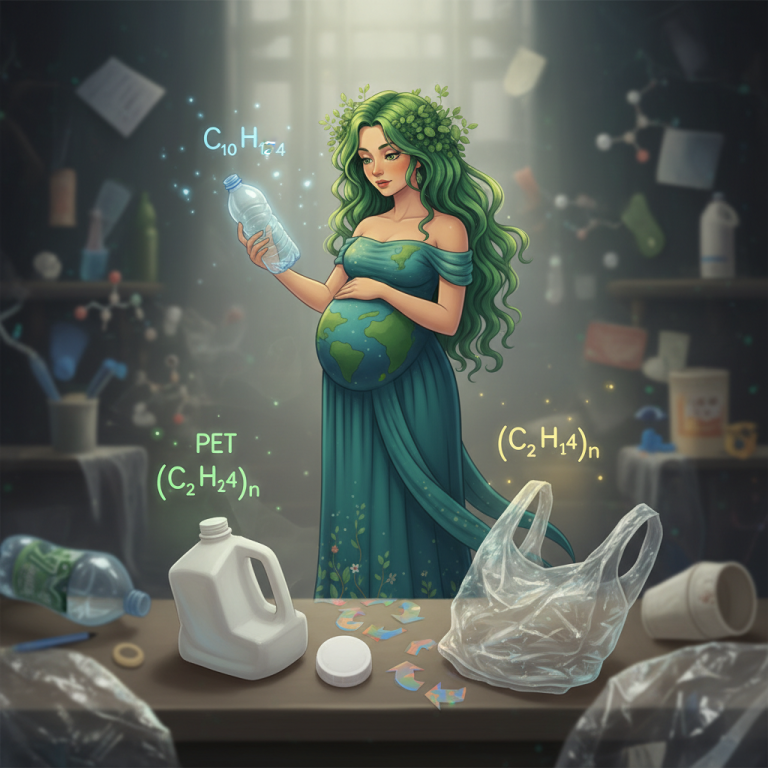
Plastic packaging is woven into everyday life in the UK because it is light, durable, flexible, and good at protecting food and products. It appears in drinks bottles, food trays, yoghurt pots, ready-meal containers, shampoo bottles, cleaning products, carrier bags, and the plastic films wrapped around multipacks or online deliveries.
Not all plastic is the same. The packaging we encounter most often includes PET (commonly used for drinks bottles), HDPE (milk bottles and cleaning containers), PP (tubs and caps), LDPE (bags and films), and polystyrene (foam trays). Each has different properties — and crucially, different recycling outcomes. Some plastics are relatively easy to recycle mechanically; others are difficult, costly, or currently not accepted through household collections.
Plastic is widely used because it helps prevent food waste and damage in transit. But the trade-off is clear: protecting products in the short term creates long-lived waste that the recycling system struggles to manage.
Planet Earth Tribe perspective:
Plastic exists because our systems prioritise convenience and efficiency. Understanding that system is the first step to changing it.
Sources
London Recycles; WRAP; British Plastics Federation
How much plastic packaging waste do UK households generate?
Plastic packaging makes up a substantial share of the UK’s packaging waste. Overall, the UK produces around 11–12 million tonnes of packaging waste each year, of which roughly 2–2.5 million tonnes is plastic packaging.
Households are a major source. On average, UK households discard over 100 kg of packaging waste per year, much of it plastic from food, drink, toiletries, and deliveries. Plastic bottles alone are purchased in the billions annually, alongside countless trays, films, and wrappers that pass briefly through our homes before becoming waste.
Different plastic items have very different fates. Bottles are widely collected, while pots, tubs, trays and especially plastic films are captured at far lower rates. This uneven picture helps explain why many people recycle diligently and still feel that plastic waste keeps piling up.
Sources
UK Government waste statistics; House of Commons Library; WRAP
How does plastic recycling work in UK households?
In the UK, local authorities are responsible for household recycling collections. Almost all councils collect plastic bottles at the kerbside, and many also collect pots, tubs and trays. Collection systems vary slightly by area, but national reforms are moving towards greater consistency so people can recycle with more confidence wherever they live.
Despite this, confusion is widespread. Surveys show that only a small minority of people feel very confident about what can be recycled. This leads to “wish-cycling” — placing items in the recycling bin in the hope they are recyclable — which can contaminate loads and reduce the chance that any of the material is successfully recycled.
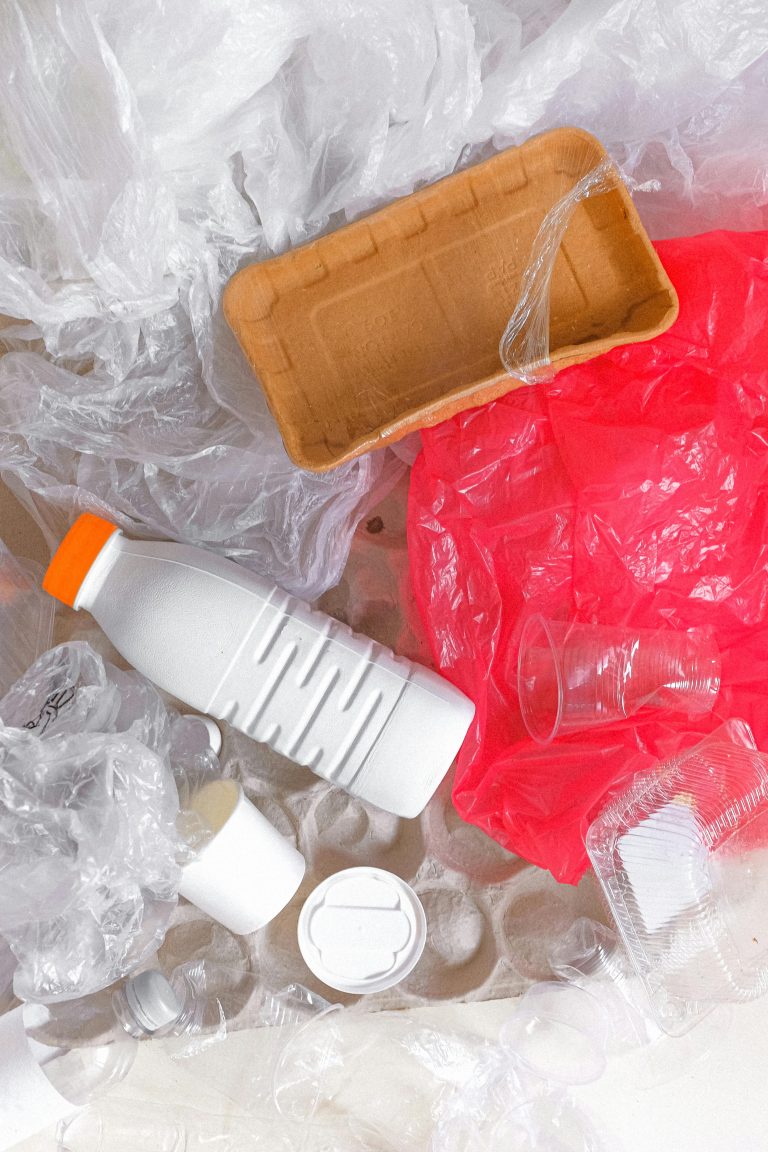
Soft plastics, films and composite packaging are the most common source of confusion. Many are not yet accepted in household collections and must either be taken to specialist drop-off points or placed in general waste.
Planet Earth Tribe perspective:
Recycling works best when it’s calm and precise, not hopeful and hurried. Separate soft plastics like film from hard plastics like bottles and trays. Leave plastic lined tins out of your recycling bin.
What happens to plastic after it leaves your home?
Putting plastic in the recycling bin does not mean it is instantly recycled. Instead, it enters a multi-stage industrial process.
First, mixed recyclables are taken to a Materials Recovery Facility (MRF), where they are sorted. Plastics are separated from paper, glass and metals, and optical scanners divide plastics by type. Non-recyclable or contaminated items are removed.
Sorted plastics are then baled and sent to reprocessing facilities, where they are washed, shredded and turned into flakes or pellets. These pellets are the raw material used to manufacture new plastic products. Some UK facilities can now produce food-grade recycled plastic, but this is still limited.
Not all plastic stays in the UK. Because domestic capacity cannot yet handle all types of plastic, a significant quantity has historically been exported for processing elsewhere, raising concerns about environmental standards and accountability.
Sources
Recycle Now; British Plastics Federation; Veolia; WRAP
How much plastic packaging is actually recycled in the UK?
Plastic recycling rates are improving, but they remain lower than many people expect. Government data indicates that just over half of plastic packaging waste is recycled, with figures varying depending on how recycling is measured.
What matters more than the headline number is the pattern beneath it. Bottles perform relatively well. Films, flexible plastics and some rigid formats perform very poorly. Many plastics are recycled only once or twice before the material quality degrades, meaning recycling often delays disposal rather than preventing it.
This is why plastic continues to lag behind materials like paper, glass and metal, which have more established recycling loops.
Planet Earth Tribe perspective:
Recycling plastic helps — but it was never designed to carry the whole solution.
What happens to plastic that isn’t recycled?
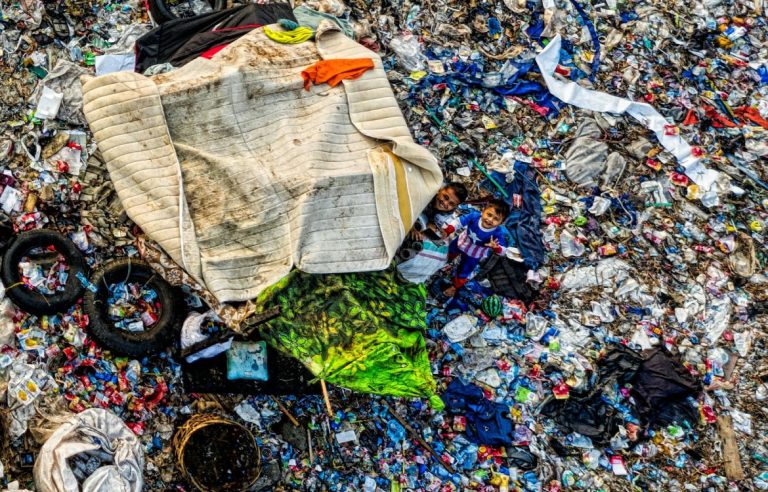
Plastic that cannot be recycled is typically sent to landfill or incineration. Landfilled plastic persists for centuries. Incineration recovers some energy but releases greenhouse gases and other pollutants.
Plastic can also fall out of the system through contamination or mismanagement. When exported, poorly regulated processing can result in open burning or dumping, shifting environmental harm elsewhere rather than eliminating it.
These outcomes are not the result of individual failure, but of a system that produces more plastic than it can safely handle.
How are policies and industry initiatives changing the picture?
Several policy tools aim to improve plastic packaging outcomes. The Plastic Packaging Tax encourages manufacturers to include recycled content. The UK Plastics Pact brings businesses together to reduce problematic plastics and improve design. Extended Producer Responsibility will shift the cost of waste management from councils to producers.
These changes matter, but they take time. In the meantime, household behaviour still plays a meaningful role in shaping demand, quality, and political momentum.
What does this mean for Planet Earth Tribe households?
For households, the most powerful actions are grounded and realistic:
- Reduce unnecessary packaging where possible
- Recycle accepted plastics cleanly and confidently
- Support brands and systems that design for reuse and recyclability
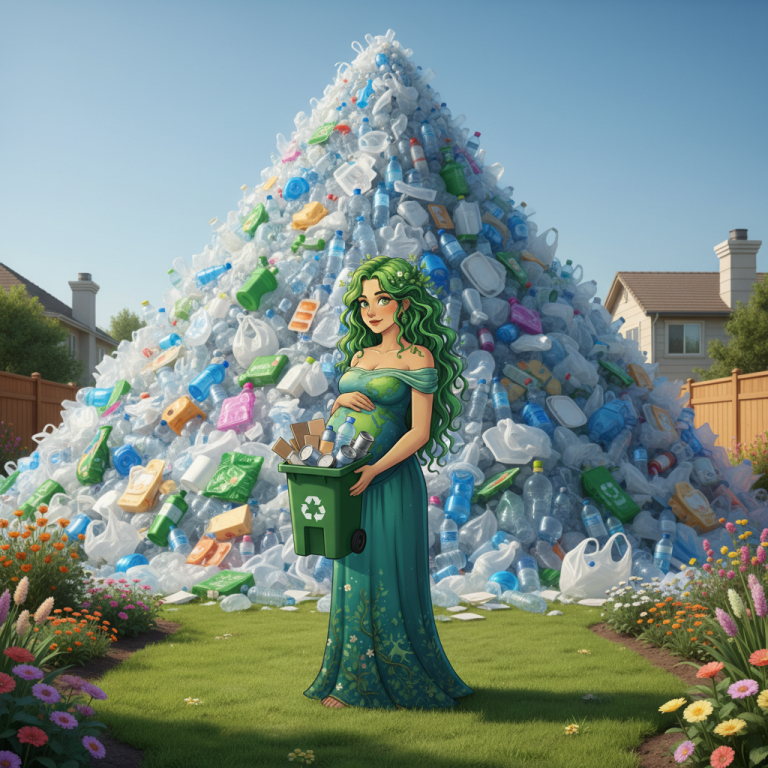
You do not need to be perfect. You do not need to solve plastic alone. What matters is steady, informed participation — multiplied across millions of homes.
When enough people understand the system, the system has to change.
Kate Howard is the Founder of Planet Earth Tribe, a collaborative co-ordinator and coach with over 20 years’ experience in education and digital innovation. She specialises in ethical marketing, sustainable lifestyle education and helping people build environmentally responsible habits with confidence.
Leave a Reply